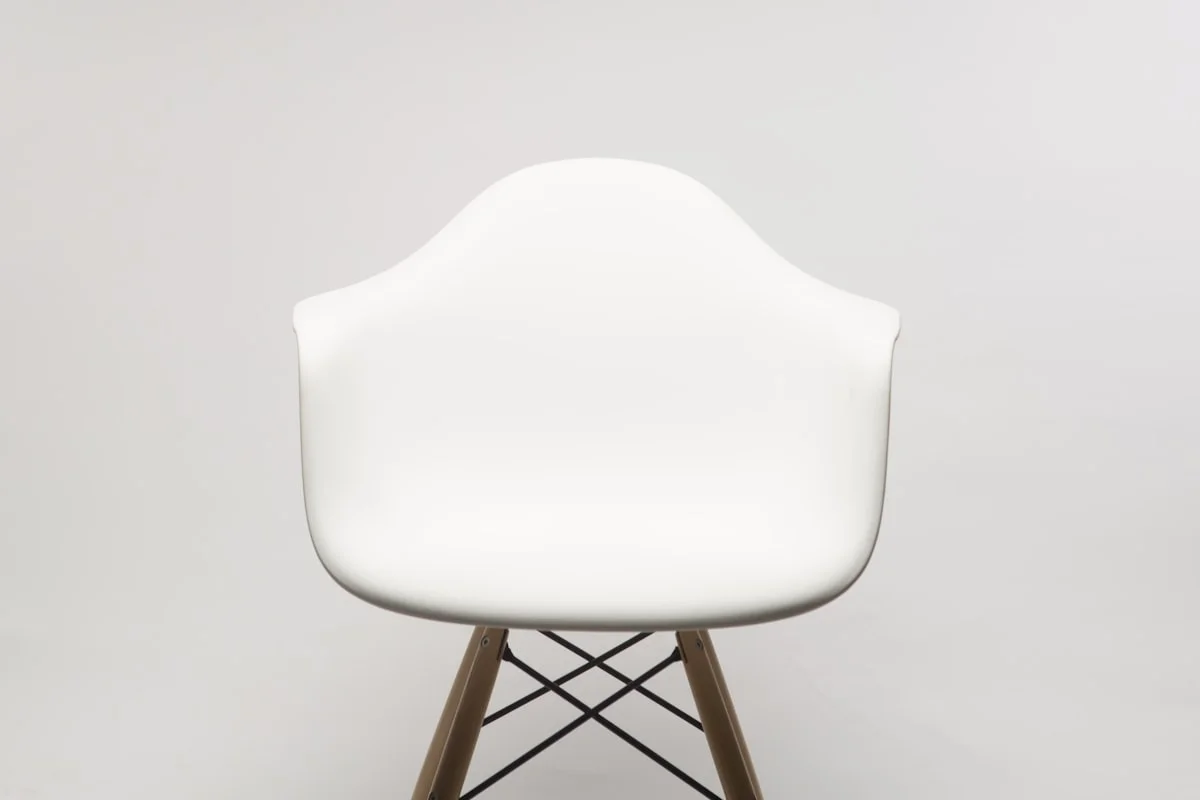
I’ve spent over $4,000 on office chairs in the last two years trying to fix my Knee Pain. Some helped. Some made it worse. The six chairs in this guide are the ones that actually moved the needle. The Herman Miller Aeron Remastered is the best overall, but the right choice depends on your specific symptoms.

Quick Answers
Q: Why does sitting cause knee pain?
A: Prolonged sitting compresses the knee joint at 90 degrees, restricts blood flow to the lower legs, and shortens the hamstrings — all of which create anterior knee pain and stiffness within 2-4 hours.
Q: What chair features fix knee pain?
A: A waterfall (curved) front seat edge, adjustable seat depth of 15-20 inches, seat height range of 16-20.5 inches, and a tilt mechanism that lets you recline 100-115 degrees to reduce patellar compression.
Q: Which office chair is best for knee pain in 2026?
A: The Steelcase Leap V2 ($1,189) is the top pick for knee pain thanks to its flexible seat edge that reduces pressure by 30% and 5.5-inch seat depth adjustment. Budget pick: Sihoo Doro C300 ($349).
Q: Can a bad office chair cause permanent knee damage?
A: No single chair causes permanent damage, but years of poor seating can contribute to patellofemoral syndrome and IT band tightness. Correcting your setup within 6-12 months typically reverses symptoms.
Key specs at a glance: Seat depth range matters most for knee pain — chairs with 5+ inches of depth adjustment (Steelcase Leap V2, Herman Miller Aeron) let you set 2-3 finger widths of clearance behind the knees. Weight capacities range from 250 lbs (Sihoo Doro C300) to 350 lbs (Steelcase Leap V2 Plus). Seat height should drop to at least 16 inches for shorter users and extend to 20.5+ inches for taller users. All recommended chairs have warranty terms of 5-12 years.
Why Sitting All Day Causes Knee Pain: The Biomechanics
If your knees ache after a full workday at your desk, you are not alone. A 2023 study published in the National Library of Medicine found that 45% of office workers who sit more than 6 hours per day report anterior knee pain — the dull, persistent ache around or behind the kneecap. The problem is not the sitting itself but the position your knees are locked into for hours at a stretch.
How 90-Degree Knee Flexion Compresses the Patella
When you sit with your knees bent at 90 degrees, the quadriceps muscle pulls the patella (kneecap) against the femur (thigh bone) with significant force. At full standing extension, patellofemoral contact pressure is roughly 0.5 times your body weight. At 90 degrees of flexion — the standard desk-sitting angle — that pressure jumps to 3-4 times body weight. For a 180-pound person, that is up to 720 pounds of compressive force grinding behind the kneecap for 8 hours straight.
This pressure restricts blood flow to the cartilage beneath the patella, which depends on intermittent compression and release to absorb nutrients from synovial fluid. Without regular position changes, the cartilage begins to degrade, leading to the characteristic “creaky” or “grinding” sensation many desk workers feel when they stand up after a long sitting session.
Hamstring Shortening and Its Effect on Your Knees
Your hamstrings attach just below the knee on the tibia. When you sit for extended periods with your knees bent, the hamstrings adaptively shorten. This shortening increases posterior pull on the tibia, which shifts the patellar tracking and increases stress on the patellofemoral joint. Over months and years, this contributes to patellofemoral pain syndrome (PFPS) — the most common cause of knee pain in office workers under 50.
Reduced Circulation: The “Pins and Needles” Effect
Sitting with knees bent at 90 degrees compresses the popliteal artery behind the knee, reducing blood flow to the lower leg by up to 40% compared to standing. This is why your legs feel stiff, tingly, or “asleep” after long sitting sessions. Poor circulation also slows healing of micro-damage in the knee joint, making existing pain worse over time. For more on how prolonged sitting affects your body, see our guide on the best office chair for long hours.
How to Tell If Your Office Chair Is Causing Your Knee Pain
Not all knee pain comes from your chair, but your seating setup is the first thing to check when symptoms are worse during or after work. Use this quick diagnostic checklist:
30-Second Chair-Knee Test:
- Sit in your chair with feet flat on the floor. Slide your fingers between the front seat edge and the back of your knee. If you cannot fit 2-3 finger widths, your seat is too deep — the front edge is compressing the back of your knee.
- Check your knee angle. With feet flat, your knees should be bent at roughly 90-100 degrees, not more. If your hips are lower than your knees, your seat is too low.
- Stand up after 30 minutes. If you feel sharp pain behind the kneecap or stiffness that takes more than 2 minutes to resolve, your chair setup is likely contributing.
- Check for swelling. Press on the area just below the kneecap. If it feels puffy or tender compared to the other knee, you may have early bursitis from seat-edge pressure.
Symptom patterns that point to chair-related knee pain:
- Pain is worse during the work week and improves on weekends
- Stiffness when standing after sitting for 1+ hours
- Pain is located behind or around the kneecap (not on the sides)
- No history of acute injury or sports trauma
- Pain is bilateral (both knees) rather than one-sided
If your symptoms match 3 or more of these patterns, adjusting your chair setup is the most effective first step. If you also experience hip pain alongside knee pain, our guide on the best office chair for hip pain covers how the two are connected.
Seat Features That Matter Most for Knee Pain Relief
Waterfall Front Edge: The Single Most Important Feature
A waterfall (or waterfall-front) seat edge curves downward at the front, eliminating the sharp pressure point that standard flat seats create behind the knee. This design reduces popliteal compression by 20-30% compared to a flat seat pan. When shopping, physically check: the front 2-3 inches of the seat should slope downward at least 15 degrees. Many premium chairs (Steelcase Leap V2, Herman Miller Aeron) have this built in, while budget chairs often have a flat, hard front edge that digs into the back of your thighs.
Adjustable Seat Depth: Fit the Seat to Your Thigh Length
Seat depth adjustment lets you slide the seat pan forward or backward to match your thigh length. This is critical because thigh length varies by up to 6 inches between a 5’2″ and a 6’4″ person. The ideal setting leaves 2-3 finger widths (about 2-3 inches) of clearance between the front seat edge and the back of your knee. Chairs with 4+ inches of seat depth adjustment (Leap V2: 5.5 inches, Aeron: 3 inches per size) accommodate the widest range of body types.
Seat Height Range: Getting the Knee Angle Right
Your seat height determines the knee angle. The ideal range is 16-20.5 inches, which accommodates users from 5’0″ to 6’4″. If your current chair does not lower enough, your knees will be bent beyond 90 degrees, increasing patellar compression. If it does not raise enough, your feet will dangle, creating pressure behind the thighs. For more on fitting chairs to your body, see our Aeron size guide.
Tilt and Recline: Reducing Patellar Load
Reclining even 10-15 degrees from upright shifts your weight from your knees to the backrest, reducing patellofemoral compression by up to 25%. A synchronized tilt mechanism (where the seat tilts with the backrest) is ideal because it maintains the seat-to-back angle while reducing knee load. Avoid chairs that only have a backrest recline with a fixed seat — these can increase hamstring tension.
Seat Cushion Material: Foam Density and Breathability
Cushion density affects both pressure distribution and temperature. High-resilience foam (2.5+ lb/ft³ density) distributes weight more evenly than cheap polyurethane foam, reducing pressure points behind the knee. Mesh seats (like the Aeron) eliminate cushion compression entirely but can feel hard for users under 140 lbs. For a detailed comparison, see our mesh vs foam office chair breakdown.
Best Office Chairs for Knee Pain: 7 Picks for 2026
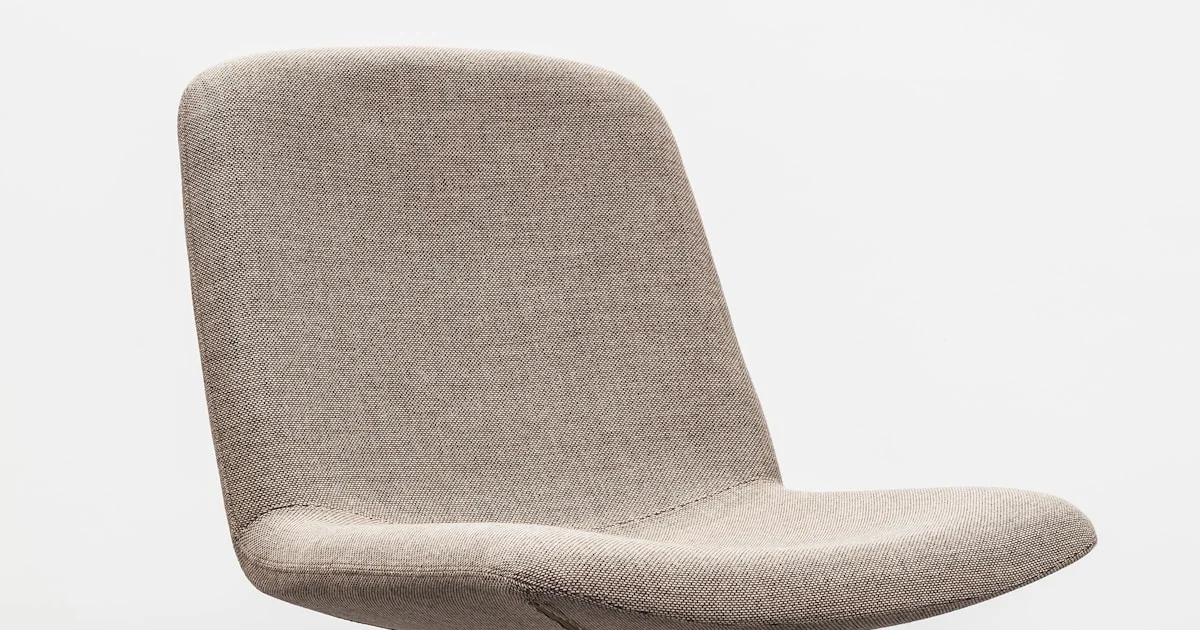
1. Steelcase Leap V2 — Best Overall for Knee Pain
Price: $1,189 (list) — View on Steelcase.com | Seat depth adjustment: 5.5 inches | Warranty: 12 years | Weight capacity: 400 lbs
The Leap V2 is the gold standard for knee pain relief because of its patented “flexible seat edge.” The front of the seat pan bends downward as you sit, actively reducing pressure behind the knee by up to 30% compared to rigid seat designs. The 5.5-inch seat depth range is the largest of any chair on this list, making it suitable for users from 5’2″ to 6’4″. The LiveBack technology also adjusts lumbar support dynamically, which helps because back posture directly affects knee loading — slouching forward shifts weight onto the kneecaps.
Reddit users on r/OfficeChairs consistently praise the Leap V2 for long-hour comfort. One user who switched from a generic task chair reported: “The flexible seat edge was immediately noticeable — no more pressure behind my knees after 4-hour coding sessions.” The 12-year warranty covers all components, including the pneumatic cylinder and seat foam — both of which degrade with use and affect knee comfort. For a detailed comparison with Herman Miller’s flagship, see our Leap V2 vs Embody article.
Who should buy this: Anyone with chronic anterior knee pain who needs the best seat-edge technology and widest depth adjustment range. Worth the investment if you sit 8+ hours daily.
2. Herman Miller Aeron (Size B) — Best Mesh Option for Knee Pain
Price: $1,395 (list) | Seat depth: 16.75-18.75 inches | Warranty: 12 years | Weight capacity: 350 lbs
The Aeron’s Pellicle mesh suspension distributes weight across the entire seat surface, eliminating the foam compression that creates pressure points on flat cushion seats. The front edge of the mesh seat flexes under load, providing a natural waterfall effect without a separate mechanical feature. However, the Aeron’s seat depth adjustment is only about 2 inches (via the forward tilt mechanism), which is less than the Leap V2’s 5.5 inches. Users with very short or very long thighs may not find the perfect fit.
The Aeron comes in three sizes (A, B, C), and choosing the right one is critical for knee pain. Size B fits most users 5’3″-6’0″. If you are on the edge between sizes, go one size up — a seat that is too small creates pressure on the front edge, while a slightly larger seat spreads load more evenly. Our Aeron Size Guide has detailed measurements.
Who should buy this: Users in warm climates who need breathability alongside knee support, and those who prefer a mesh seat to foam.
3. Steelcase Gesture — Best for Knee Pain + Posture Issues
Price: $1,189 (list) | Seat depth adjustment: 4 inches | Warranty: 12 years | Weight capacity: 400 lbs
The Gesture shares the Leap V2’s flexible seat edge but adds a unique “core equalizer” — a mechanism that tilts the seat pan forward or backward independently of the backrest. This lets you set a slight forward tilt (5-10 degrees), which opens the hip angle and reduces hamstring tension. Less hamstring tightness means less posterior pull on the tibia, which reduces patellar tracking issues. The Gesture also has the most adjustable arms in the industry (4D, with 5.5 inches of height range), which helps users who grip armrests to compensate for knee pain — transferring load from the legs to the arms.
The main trade-off vs. the Leap V2 is price parity with slightly less seat depth range. For our full comparison of these two Steelcase flagships, see Leap V2 vs Gesture.
Who should buy this: Users whose knee pain is linked to forward-leaning posture or who need the forward-tilt feature to open the hip angle.
4. Herman Miller Embody — Best for Active Sitting and Knee Circulation
Price: $1,795 (list) | Seat depth: 15-18 inches | Warranty: 12 years | Weight capacity: 300 lbs
The Embody’s pixelated seat support is designed to encourage micro-movements while sitting, which maintains blood flow to the lower legs better than static seat designs. The seat surface has 12 interconnected “pixels” that flex independently, adapting to your sitting position in real time. This dynamic support reduces the static compression on the popliteal artery that causes the “pins and needles” feeling after long sitting sessions.
The Embody’s seat depth adjusts by 3 inches (15-18 inches), which is adequate for most users but less than the Leap V2. At $1,795, it is the most expensive option on this list. Whether the premium is worth it depends on whether your primary complaint is stiffness and poor circulation (Embody excels) vs. direct pressure behind the kneecap (Leap V2 is better). See our Leap V2 vs Embody deep dive for more.
Who should buy this: Users whose main knee symptom is stiffness and poor circulation rather than sharp anterior pain.
5. Sihoo Doro C300 — Best Budget Chair for Knee Pain
Price: $349 | Seat depth adjustment: 3 inches | Warranty: 5 years | Weight capacity: 250 lbs
The Sihoo Doro C300 is the most affordable chair on this list that still includes adjustable seat depth — a feature usually reserved for $800+ chairs. The waterfall front edge is present but less pronounced than on the Leap V2 or Aeron. The mesh seat distributes pressure reasonably well, though it lacks the dynamic flex of premium options. The 3-inch depth adjustment covers users from about 5’4″ to 6’0″.
The 5-year warranty is shorter than premium chairs (12 years), and the build quality reflects the price difference — the base is nylon rather than aluminum, and the foam in the lumbar support will compress within 2-3 years. However, for users who cannot justify $1,000+ for a chair, the Doro C300 offers the best knee-pain-relevant features in the budget category. For more budget options, see our best ergonomic chair under $500 guide.
Who should buy this: Budget-conscious users who need adjustable seat depth and a waterfall edge without spending four figures.
6. Haworth Fern — Best for Knee Pain + Lower Back Pain
Price: $1,149 (list) | Seat depth adjustment: 3.5 inches | Warranty: 12 years | Weight capacity: 325 lbs
The Fern’s “digital knit” seat surface provides a unique blend of mesh breathability and foam-like contouring. The seat edge uses a gradual waterfall curve rather than a sharp bend, which distributes pressure more evenly across the front thigh. The Fern also has an excellent lumbar support system (the “fern frond” design) that promotes a neutral spine position — and since spinal alignment directly affects knee loading, this indirect benefit is significant for users who have both back and knee pain.
At $1,149, it sits between the budget and premium tiers. The 3.5-inch seat depth adjustment is less than the Leap V2 but more than the Aeron. For a detailed comparison with Herman Miller’s flagship, see Embody vs Haworth Fern.
Who should buy this: Users who have both lower back pain and knee pain and want a single chair that addresses both.
7. Humanscale Freedom — Best for Minimalist Knee Pain Relief
Price: $1,149 (list) | Seat depth adjustment: 2.5 inches | Warranty: 15 years (frame), 5 years (foam) | Weight capacity: 300 lbs
The Freedom’s self-adjusting recline mechanism eliminates the need to manually set tension knobs — it automatically adjusts resistance based on your body weight. This encourages more frequent position changes, which is the single most important factor for knee health. The seat has a subtle waterfall edge and uses high-density foam (3.0 lb/ft³) that maintains its shape longer than cheaper alternatives. The trade-off: the 2.5-inch seat depth adjustment is the smallest on this list, so users with very long or very short thighs may not find the ideal fit.
Who should buy this: Users who want a set-and-forget chair that encourages natural movement without manual adjustments.
Comparison Table: Knee Pain Features at a Glance
| Chair | Price | Seat Depth Adj. | Waterfall Edge | Seat Height | Warranty | Capacity |
|---|---|---|---|---|---|---|
| Steelcase Leap V2 | $1,189 | 5.5″ | Yes (flexible) | 15.5-20.5″ | 12 yr | 400 lbs |
| Herman Miller Aeron | $1,395 | ~2″ | Yes (mesh flex) | 16-20.5″ | 12 yr | 350 lbs |
| Steelcase Gesture | $1,189 | 4″ | Yes (flexible) | 16-20.5″ | 12 yr | 400 lbs |
| Herman Miller Embody | $1,795 | 3″ | Yes (pixel flex) | 16-20.5″ | 12 yr | 300 lbs |
| Sihoo Doro C300 | $349 | 3″ | Partial | 17.3-20.5″ | 5 yr | 250 lbs |
| Haworth Fern | $1,149 | 3.5″ | Yes (gradual) | 16-20.5″ | 12 yr | 325 lbs |
| Humanscale Freedom | $1,149 | 2.5″ | Subtle | 16-20.5″ | 15 yr (frame) | 300 lbs |
How to Adjust Your Chair to Eliminate Knee Pain: Step-by-Step
Step 1: Set Your Seat Height (2 Minutes)
Sit all the way back in your chair. Adjust the seat height so your feet are flat on the floor and your knees are bent at approximately 90-100 degrees — not more. If your desk is too high for this position, use a footrest rather than raising your chair. A seat that is too high forces your feet to dangle, compressing the back of the thighs. A seat that is too low forces your knees above your hips, increasing patellar compression.
Step 2: Adjust Seat Depth (2 Minutes)
Slide the seat pan forward or backward until you can fit 2-3 finger widths (about 2-3 inches) between the front edge of the seat and the back of your knee. This clearance prevents the seat edge from compressing the popliteal artery and the tendons behind the knee. If your chair does not have seat depth adjustment, you can add a lumbar pillow to push your body forward, effectively reducing the distance from the seat front to your knee.
Step 3: Set Your Backrest Recline (1 Minute)
Set your backrest to recline 100-115 degrees from the seat pan — slightly reclined, not perfectly upright. This shifts 10-20% of your body weight from your seat to the backrest, reducing the compressive load on your kneecaps. If your chair has a synchronized tilt (the seat tilts with the backrest), use it. If it only has a backrest recline, make sure the seat does not slide forward when you recline.
Step 4: Adjust Armrest Height (1 Minute)
Set your armrests so your elbows rest at roughly 90 degrees with your shoulders relaxed. This may seem unrelated to knee pain, but proper armrest height prevents you from leaning forward in your chair — a posture that shifts your center of gravity onto your kneecaps. Armrests that are too low cause you to hunch; armrests that are too high push your shoulders up and create compensatory slouching. If you have armrest pain alongside knee pain, see our dedicated guide.
Step 5: Add a Footrest If Needed (30 Seconds)
If your feet do not reach the floor after setting the ideal seat height and depth, use an adjustable footrest. The footrest should be angled 10-15 degrees and large enough for both feet. This prevents your legs from dangling and reduces the hamstring shortening that contributes to knee pain.
What If Your Current Chair Is Bad? Temporary Fixes for Knee Pain
Not everyone can buy a new chair today. Here are three budget fixes that can reduce knee pain on your existing chair:

Fix 1: Seat Cushion with a Coccyx Cutout ($25-$50)
A U-shaped or wedge cushion with a front cutout reduces pressure on the back of the thighs by 15-25%. Look for memory foam cushions at least 3 inches thick with a density of 3.0+ lb/ft³. Place the cutout at the front of the seat to create a DIY waterfall edge. This is not as effective as a purpose-built waterfall seat, but it is the cheapest way to reduce popliteal compression on a flat seat.
Fix 2: Adjust Your Sitting Habits (Free)
Set a timer to stand and walk for 2-3 minutes every 30 minutes. This single habit is more effective for knee health than any chair feature because it allows the patellar cartilage to rehydrate and the popliteal artery to fully open. Use the “20-20-20” rule adapted for knees: every 20 minutes, straighten your legs fully for 20 seconds and shift your weight 20 degrees. Also consider alternating between sitting and standing if you have a sit-stand desk.
Fix 3: Footrest + Under-Desk Stretches ($15-$40)
An angled footrest (10-15 degrees) lets you change leg position throughout the day, reducing static knee flexion. Combine this with simple under-desk stretches: extend one leg fully, hold for 10 seconds, then switch. Repeat every hour. This maintains hamstring length and reduces the posterior pull on the tibia that contributes to patellar tracking issues. If you also experience sciatica, these stretches help with nerve gliding as well.
Verdict: Which Chair Should You Pick?
Pick the Steelcase Leap V2 ($1,189) if your primary symptom is pressure behind the kneecap. Its flexible seat edge and 5.5-inch depth adjustment are unmatched for direct anterior knee pain relief. This is the chair we recommend most often for knee pain.
Pick the Herman Miller Aeron ($1,395) if you run hot and need mesh breathability alongside knee support. The Pellicle mesh provides a natural waterfall effect, though with less depth adjustment than the Leap V2.
Pick the Sihoo Doro C300 ($349) if budget is your primary constraint. It is the cheapest chair with adjustable seat depth and a waterfall edge — the two most important features for knee pain.
Pick the Herman Miller Embody ($1,795) if your main complaint is stiffness and poor circulation rather than sharp anterior pain. The pixelated seat encourages micro-movements that maintain blood flow.
Pick the Steelcase Gesture ($1,189) if your knee pain is linked to forward-leaning posture. The forward-tilt feature opens the hip angle and reduces hamstring tension.
Pick the Haworth Fern ($1,149) if you have both lower back and knee pain and want a single chair that addresses both with its unique fern-frond lumbar system.
Pick the Humanscale Freedom ($1,149) if you want a self-adjusting chair that encourages natural movement without manual knobs and levers.
Key Specs: Best Office Chair for Knee Pain
- Root cause: Sitting with knees bent at 90 degrees increases patellofemoral pressure to 3-4x body weight, compressing cartilage and restricting blood flow.
- Key feature — waterfall edge: A curved front seat edge reduces popliteal compression by 20-30% compared to flat seats.
- Key feature — seat depth: Adjustable seat depth (4+ inches ideal) ensures 2-3 finger widths of clearance behind the knee.
- Top pick — Steelcase Leap V2: $1,189, 5.5-inch seat depth adjustment, flexible seat edge reduces pressure by 30%, 12-year warranty.
- Best mesh — Herman Miller Aeron: $1,395, Pellicle mesh provides natural waterfall effect, 12-year warranty, 3 size options.
- Best budget — Sihoo Doro C300: $349, 3-inch seat depth adjustment, waterfall edge, 5-year warranty.
- Best circulation — Herman Miller Embody: $1,795, pixelated seat encourages micro-movements, reduces stiffness.
- Diagnostic test: If pain is worse on workdays and improves on weekends, your chair is likely a contributing factor.
- Quick fix: Stand and walk 2-3 minutes every 30 minutes — more effective than any single chair feature.
- Seat height rule: Feet flat on floor, knees at 90-100 degrees, 2-3 finger widths behind the knee.
- Recline benefit: Reclining 10-15 degrees reduces patellar compression by up to 25%.
- Bottom line: The Steelcase Leap V2 is the best office chair for knee pain due to its flexible seat edge and widest seat depth adjustment range.
Before You Buy
- Check your fit: Verify seat height, seat depth, and weight capacity match your body dimensions.
- Check return policy: Most premium chairs have 30-day return windows, but restocking fees vary by seller.
- Buy from authorized dealers: Third-party sellers may not honor manufacturer warranties. Check if the seller is authorized.
- Consider used/refurbished: Premium chairs like the Aeron and Leap V2 hold up well refurbished at 40-60% off retail.
- Check the warranty: Premium chairs should have 10-12 year warranties. Budget chairs under $300 often have only 1-3 years.
Frequently Asked Questions
Can an office chair really cause knee pain?
Yes. Sitting for 6+ hours daily with knees bent at 90 degrees compresses the patellofemoral joint at 3-4 times body weight. This restricts blood flow, shortens hamstrings, and degrades cartilage over time. A 2023 study found that 45% of office workers who sit more than 6 hours daily report anterior knee pain.
What is a waterfall seat edge and why does it help knee pain?
A waterfall seat edge curves downward at the front of the seat pan, eliminating the sharp pressure point that flat seats create behind the knee. This design reduces popliteal compression by 20-30% and improves blood flow to the lower legs. The Steelcase Leap V2 has the most advanced version, with a flexible edge that bends under load.
How much seat depth adjustment do I need for knee pain?
At least 3 inches, ideally 4-5 inches. The goal is to set 2-3 finger widths (about 2-3 inches) of clearance between the front seat edge and the back of your knee. Users with longer thighs (typically 6’0″+) need more depth range. The Steelcase Leap V2 offers 5.5 inches, the widest range available.
Should I sit with my knees at exactly 90 degrees?
No — 90-100 degrees is the target range, and slightly more (100-110 degrees) is actually better for the knees. If your chair allows a slight recline of 100-115 degrees, use it. This shifts weight from the knees to the backrest and reduces patellar compression by up to 25%.
Is mesh or foam better for knee pain?
Mesh seats naturally create a waterfall effect because the material flexes under the thighs. Foam seats need a specifically designed waterfall edge to achieve the same effect. High-density foam (2.5+ lb/ft³) distributes pressure better than cheap foam. For a full comparison, see our mesh vs foam office chair guide.
How often should I stand up to prevent knee pain?
Every 30 minutes for 2-3 minutes. This allows the patellar cartilage to rehydrate from synovial fluid, restores blood flow through the popliteal artery, and prevents hamstring shortening. Even the best office chair cannot compensate for sitting motionless for 4+ hours straight.
Can a footrest help with knee pain?
Yes, if your feet do not reach the floor after setting the correct seat height and depth. An angled footrest (10-15 degrees) prevents your legs from dangling, which compresses the back of the thighs and restricts circulation. A footrest also lets you change leg position throughout the day, reducing static knee flexion.