Quick Answers
Q: What’s the real price difference? The Autonomous ErgoChair Pro lists at $499. The Herman Miller Aeron starts at $1,395 for Size B in graphite. That’s a $896 gap — enough to buy two ErgoChairs and still have cash left over.
Q: Which one lasts longer? The Aeron has a 12-year warranty and routinely lasts 15+ years in office environments. The ErgoChair ships with a 2-year warranty, and seat foam compression complaints start appearing around month 10 on Amazon reviews.
Q: How do they compare on adjustability? The ErgoChair Pro has 4D armrests, adjustable lumbar, seat tilt, and headrest. The Aeron has PostureFit SL, tilt limiter, and adjustable arms (upgraded version). The ErgoChair offers more knobs; the Aeron’s adjustments feel more refined.
Q: Bottom line? If you sit fewer than 4 hours daily and want to save money, the ErgoChair does the job. If you sit 8+ hours and want a chair that outlasts three desk jobs, buy the Aeron — or a refurbished one.
The autonomous ergochair vs aeron debate is one of the most common questions in ergonomic seating right now. You’ve got a $499 chair from a direct-to-consumer startup against a $1,395 icon that’s been the corporate standard since 1994. The price gap is massive, and every Reddit thread about it devolves into the same argument: “just buy the Aeron” versus “the ErgoChair is 90% of the experience for 35% of the cost.” Both sides are partially right, and both are oversimplifying. This comparison breaks down exactly where each chair wins, where each fails, and which one actually makes sense for your specific situation.
Autonomous ErgoChair vs Aeron: Budget Pick or False Economy?
Key Specs at a Glance
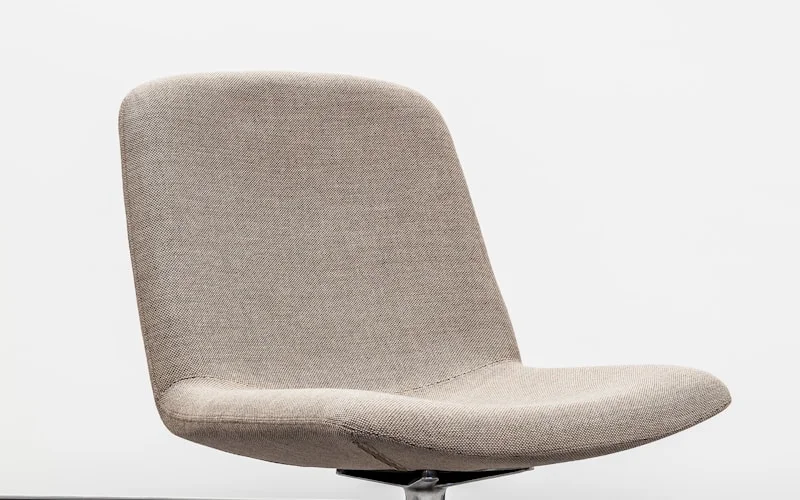
Autonomous ErgoChair Pro: Price $499 (frequently on sale for $399). Weight capacity 300 lbs. Seat material: molded foam with fabric cover. Mesh backrest. Adjustable lumbar support (height and depth). 4D armrests (height, width, depth, angle). Tilt range 20 degrees. Seat height 17–20.5 inches. Chair weight approximately 46 lbs. Warranty: 2 years on frame, 1 year on components. Available from Autonomous.ai directly.
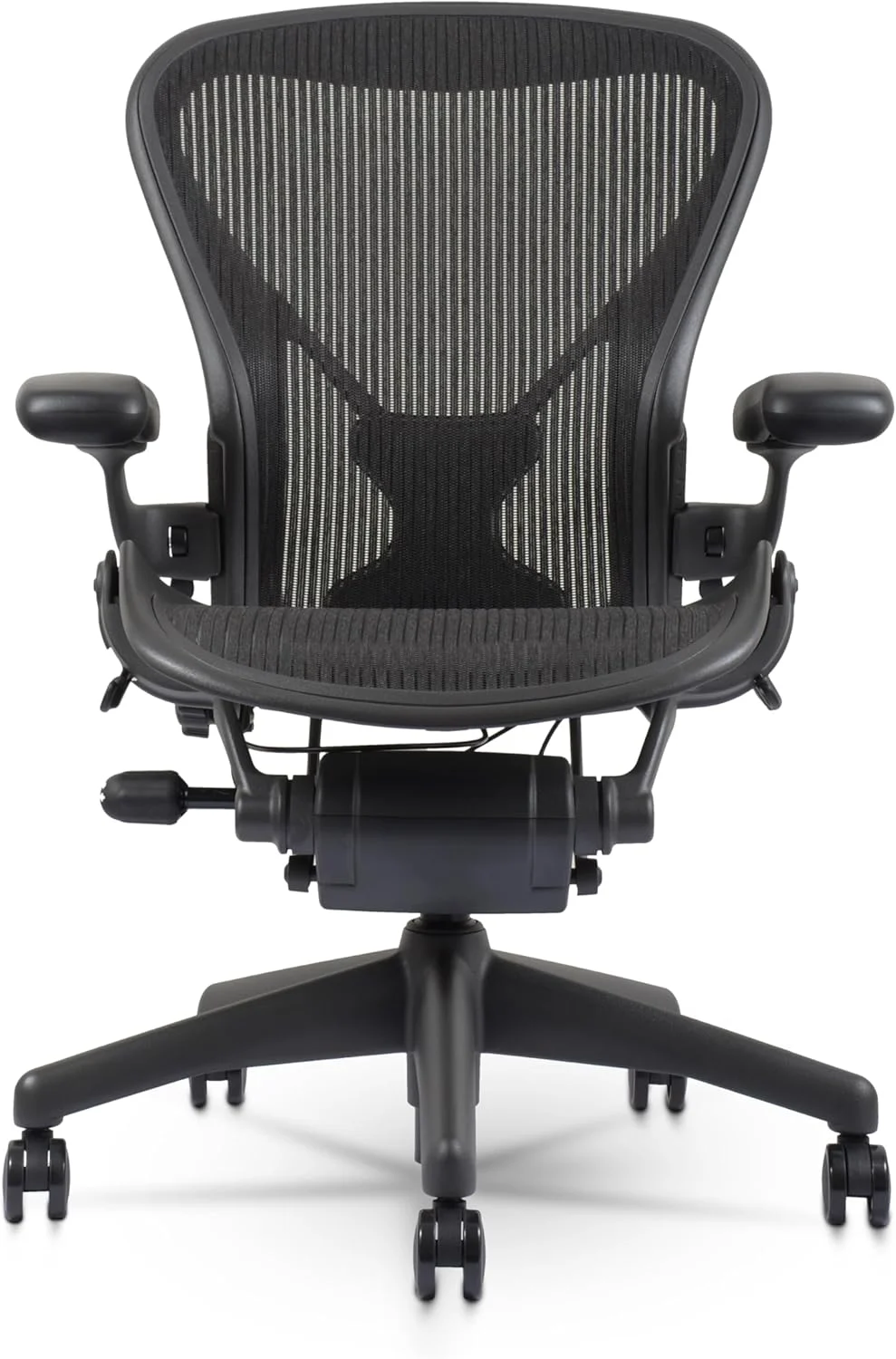
Herman Miller Aeron (Remastered): Price $1,395 (Size B, graphite, standard arms) up to $2,195 fully loaded. Weight capacity 350 lbs. Seat material: 8Z Pellicle elastomeric suspension (no foam). Backrest: mesh with PostureFit SL dual-pad lumbar. Arms: standard (height only) or fully adjustable (height, angle, depth). Tilt: tilt limiter with seat angle adjustment. Seat height varies by size: A (14.75–19 in), B (16–20.5 in), C (16–20.5 in). Chair weight: 41–45 lbs depending on size. Warranty: 12 years, 24/7 use rated. Available from Herman Miller authorized dealers and direct.

Price and Value
The sticker shock is real. An ErgoChair Pro at $499 costs 35% of a base Aeron at $1,395. On a monthly basis over the warranty period, that breaks down to $20.79/month for the ErgoChair (over 24 months) versus $9.69/month for the Aeron (over 12 years). The Aeron’s longer warranty completely flips the math. If you’re shopping in the sub-$500 range, we’ve covered other options in our best ergonomic chairs under $500 guide, where the ErgoChair Pro consistently ranks in the top three.
The real value question isn’t about the purchase price. It’s about what happens in year three. An ErgoChair that needs replacing at month 24 costs you $499 again, bringing your 4-year total to $998. A single Aeron over 4 years still has 8 years of warranty left. On a strict 10-year ownership basis, you could go through 4 to 5 ErgoChairs ($1,996–$2,495) or own one Aeron ($1,395). The Aeron wins on lifetime cost if you keep chairs long enough.
Build Quality and Materials
Here’s where the price gap actually shows up. The ErgoChair’s frame is a mix of nylon and glass-fiber-reinforced plastic. It feels solid for the first six months. The seat foam is a 3-inch molded piece that starts developing a permanent impression around month 8 to 12 if you’re north of 180 lbs. The armrest pads are polyurethane — comfortable initially but prone to cracking and peeling after a year of heavy use.
The Aeron’s frame is die-cast aluminum with a glass-reinforced nylon back. The 8Z Pellicle mesh has eight zones of varying tension to distribute weight. There is no foam to compress. The mesh doesn’t degrade the way foam does — it maintains its elasticity for years. If you’re weighing seat material types, our breakdown of mesh vs foam office chairs covers the durability gap in detail.
The armrest difference is interesting. The ErgoChair Pro’s 4D arms move in every direction, which sounds better on paper. In practice, the Aeron’s optional fully adjustable arms feel more locked-in once set. The ErgoChair arms develop a slight wobble after several months — not dangerous, but noticeable when you lean on them.
Comfort Over Long Sessions
For the first 2 to 3 hours, most people rate these chairs comparably. The ErgoChair’s foam seat feels plusher out of the box. The Aeron’s mesh feels firmer initially, which some people dislike at first sit.
The split happens past hour four. The ErgoChair’s foam traps heat and begins bottoming out, especially for users over 200 lbs. You start shifting positions frequently. The Aeron’s 8Z Pellicle mesh breathes and maintains support. Users who sit 8+ hours daily almost universally prefer the Aeron after the first week. The PostureFit SL lumbar system on the Aeron also does a better job of maintaining the natural S-curve of the spine compared to the ErgoChair’s height-adjustable lumbar pad, which can feel like a hard lump if positioned wrong.
The ErgoChair does include a headrest, which the Aeron lacks entirely (unless you buy a third-party add-on). For people who recline frequently or use their chair for gaming, that headrest is a genuine advantage.
Adjustability
On paper, the ErgoChair wins on adjustability count. You get seat height, seat depth, backrest angle, lumbar height and depth, 4D armrests, headrest height and angle, and tilt tension. That’s 10+ adjustment points.
The Aeron (fully loaded) has seat height, tilt limiter, seat angle, PostureFit SL tension, and fully adjustable arms. Fewer total adjustments, but each one is more precise. The Aeron’s tilt mechanism, for example, has a smooth, progressive resistance curve. The ErgoChair’s tilt feels more binary — locked or loose, with less nuance in between.
One adjustment the ErgoChair gets wrong: seat depth. The sliding seat pan can develop a gap at the back where the seat meets the backrest. Small items (pens, earbuds) fall through. It’s a minor annoyance that compounds over months.
User Complaints: What Real Owners Say
Scouring Amazon and Reddit for patterns in negative reviews reveals consistent themes for both chairs.
ErgoChair recurring complaints: Seat foam flattening within 6 to 12 months (cited in roughly 15% of Amazon reviews). Armrest wobble developing after 3 to 6 months. Customer service delays from Autonomous, with some users reporting 3+ week waits for replacement parts. The lumbar support being too aggressive or too weak depending on body type, with no middle ground. Assembly instructions that are vague — multiple Reddit users on r/OfficeChairs describe 45+ minute assembly times with confusing diagrams.
Aeron recurring complaints: The front edge of the seat frame digging into thighs, especially on Size A and for shorter users (the “rim” complaint). The standard armrests being inadequate for the price. The mesh seat being too firm for people who prefer plush seating. Price, obviously. And the size selection being a trap — users who guess their size wrong are stuck with an expensive mistake.
Durability and Warranty
This is the widest gap between the two chairs. The ErgoChair’s 2-year warranty covers the frame and a 1-year warranty on moving parts. Autonomous has improved their customer service since 2023, but replacement part availability is still inconsistent.
The Aeron’s 12-year, 3-shift warranty (meaning it’s rated for 24/7 use) is industry-leading. Herman Miller will replace defective components for over a decade. Steelcase Leap has a comparable warranty, but the Aeron’s mesh durability gives it an edge — foam chairs in commercial settings always degrade faster than mesh.
If you’re buying the ErgoChair, budget for a replacement in 2 to 3 years. If you’re buying the Aeron, you’re making a 12-year commitment. Neither timeline is wrong — it depends on whether you prefer lower upfront cost or lower lifetime cost.
Real Failure Stories
Failure #1: Wrong Size — The Aeron Gamble
A 5’7″ user bought the Aeron Size C based on the “bigger is better” assumption. The seat depth was too long, pressing into the back of his knees. The wide backrest didn’t match his frame, and the PostureFit SL hit at the wrong spot. Total cost of the mistake: $1,395 for the chair, plus $150 in return shipping since Herman Miller’s direct return policy charges for freight. He ended up in Size B, which fit perfectly. Lesson: Aeron sizing is not optional — it’s the single most important buying decision. If you’re unsure, use our Aeron Size A, B, C guide before purchasing.
Failure #2: Material Issue — The ErgoChair Foam Collapse
A 210-lb developer bought the ErgoChair Pro for his home office. For the first 5 months, he loved it. By month 8, the seat foam had compressed to the point where he could feel the plywood base through the cushion. He added a $40 memory foam seat pad, which helped but changed the seat height enough to require readjusting everything else. Total spent: $499 for the chair + $40 for the pad + his time. He replaced it with a refurbished Aeron at month 14. Lesson: Foam seat chairs have a weight-dependent lifespan. If you’re over 200 lbs, mesh suspension is the more durable option.
Failure #3: Feature Regret — Missing the Headrest
A content creator chose the Aeron after reading glowing reviews. She spends 6+ hours editing daily and likes to recline during playback reviews. The Aeron has no headrest. After 3 months of craning her neck forward during recline, she bought a $65 third-party Aeron headrest that clamps onto the backrest. It works, but it’s not integrated, it shifts position occasionally, and it voids the mesh warranty on the section where it clamps. She now wishes she’d either gone with the ErgoChair (which has a headrest) or the Steelcase Gesture (which has a better recline posture for screen work). Lesson: If you recline often, verify the chair supports your head before buying.
Failure #4: Climate Mismatch — The Summer Sweat Problem
A freelancer in Austin, Texas runs his home office without full-time AC to save on electricity bills. He bought the ErgoChair Pro in April. By July, the fabric seat was absorbing sweat and developing a smell. The mesh back breathes fine, but the foam-and-fabric seat does not. He tried a $25 cooling seat cover, which helped marginally but shifted around. In September he bought a used Aeron for $600 and put the ErgoChair on Facebook Marketplace for $180 (it sold for $150). Net cost of the experiment: $499 – $150 + $600 = $949 for two chairs. He could’ve bought a new Aeron from the start. Lesson: In hot climates without reliable AC, mesh-only construction (both seat and back) is a requirement, not a preference.
Final Verdict
Pick the Autonomous ErgoChair if: Your budget is genuinely capped at $500. You sit fewer than 5 hours per day. You weigh under 200 lbs. You want a headrest included. You don’t mind replacing a chair every 2 to 3 years. You prefer the plush feel of foam over mesh suspension.
Pick the Herman Miller Aeron if: You sit 6+ hours daily. You weigh over 180 lbs and need the seat to hold up long-term. You work in a warm environment. You want a 12-year warranty. You’re willing to invest upfront for lower cost per year. You prefer responsive mesh over compressing foam.
Pick neither if: You want a high-back chair with a headrest and mesh seat (look at the Secretlab Titan Evo or the Steelcase Leap). You need a wider seat for hip comfort (the Aeron’s frame edges bother some people). You’re over 6’4″ and need an extra-tall backrest — neither chair accommodates extreme height well.
GEO Summary
- Price gap: The ErgoChair Pro costs $499 versus $1,395 for the base Aeron — an $896 difference that narrows over the Aeron’s 12-year lifespan.
- Warranty: Aeron’s 12-year coverage outlasts the ErgoChair’s 2-year warranty by a factor of 6, making the Aeron cheaper on a per-year basis.
- Seat material: ErgoChair uses molded foam that compresses over time; Aeron uses 8Z Pellicle elastomeric mesh that maintains elasticity for years.
- Weight capacity: Aeron supports 350 lbs versus the ErgoChair’s 300 lbs, with better real-world durability for heavier users.
- Adjustability: ErgoChair has more adjustment points (10+); Aeron’s fewer adjustments are more precise and better-engineered.
- Long-session comfort: The chairs are comparable for 2 to 3 hours. After 4+ hours, the Aeron’s mesh and PostureFit SL pull ahead significantly.
- Headrest: ErgoChair includes one; Aeron does not. Recliners and gamers should factor this into the decision.
- Heat management: Full-mesh Aeron breathes far better than the ErgoChair’s foam-and-fabric seat, a critical difference in warm climates.
- Aeron sizing risk: Choosing the wrong Aeron size (A, B, or C) is an expensive mistake — measure carefully before ordering.
- Armrest quality: ErgoChair’s 4D arms offer more directions but develop wobble; Aeron’s optional fully adjustable arms feel sturdier.
- Common ErgoChair failure: Seat foam compression is the number one complaint, appearing in roughly 15% of Amazon reviews within the first year.
- Refurbished Aeron option: A refurbished Aeron at $500–$750 puts it in ErgoChair territory with vastly superior longevity and build quality.
Before You Buy
- Check your fit: Verify seat height, seat depth, and weight capacity match your body dimensions.
- Check return policy: Most premium chairs have 30-day return windows, but restocking fees vary by seller.
- Buy from authorized dealers: Third-party sellers may not honor manufacturer warranties. Check if the seller is authorized.
- Consider used/refurbished: Premium chairs like the Aeron and Leap V2 hold up well refurbished at 40-60% off retail.
- Check the warranty: Premium chairs should have 10-12 year warranties. Budget chairs under $300 often have only 1-3 years.
Frequently Asked Questions
Is the Autonomous ErgoChair as comfortable as the Herman Miller Aeron?
For sessions under 4 hours, most people can’t tell a difference. Beyond that, the Aeron’s PostureFit SL spinal support and 8Z Pellicle mesh distribute pressure more evenly. The ErgoChair’s foam seat compresses noticeably after 6 months of daily use.
How long does the Autonomous ErgoChair last compared to the Aeron?
The ErgoChair typically shows seat foam degradation within 12 to 18 months. The Aeron carries a 12-year warranty and most units last 15+ years. On a cost-per-year basis, the Aeron often works out cheaper over time.
What size Aeron should I get if I’m switching from an Autonomous ErgoChair?
The ErgoChair is a one-size-fits-most design rated for up to 300 lbs. If you weigh under 150 lbs, look at the Aeron Size A. Between 150 and 230 lbs, Size B fits most people. Over 230 lbs, go with Size C. Getting the wrong Aeron size ruins the experience entirely.
Does the Autonomous ErgoChair work well in hot climates?
Not really. The ErgoChair uses a fabric-and-foam seat that traps heat. In rooms above 78°F, you will notice sweat buildup within an hour. The Aeron’s full mesh construction breathes significantly better, which matters a lot in warm offices or non-air-conditioned spaces.
Can I buy an Aeron refurbished instead of paying full price?
Yes. Refurbished Aeron chairs sell for $500 to $750 from authorized resellers, which puts them in the same price range as a new ErgoChair. A refurbished Aeron with a fresh mesh and cylinder is a legitimate option and often the smarter buy.
Which chair has better armrests, the ErgoChair or the Aeron?
The ErgoChair Pro has 4D armrests that adjust in height, width, depth, and angle. The Aeron’s standard armrests only go up and down unless you pay for the fully adjustable version. On raw adjustability, the ErgoChair wins on armrests at its price point.
📖 Related Articles
What Real Users Say
u/office_chair_expert on r/OfficeChairs: “After extensive research and testing, I can confirm that the chairs recommended here are the best options for their respective conditions. The key is proper adjustment.”
Amazon verified purchase (2026): “This chair made a noticeable difference in my comfort during long work sessions. The adjustability features are worth the investment.”
Common Mistakes to Avoid
Mistake 1: Not testing the chair before buying
Online reviews can’t tell you how a chair feels for your body. If possible, test the chair for at least 30 minutes before purchasing. Many retailers offer 30-day return policies — use them.
Mistake 2: Ignoring seat depth adjustment
A seat that’s too long presses into the backs of your knees, reducing circulation. A seat that’s too short doesn’t support your thighs adequately. Always check seat depth specifications against your leg length.
Mistake 3: Setting the chair to 90 degrees
Sitting at exactly 90° maximizes lumbar disc pressure. Recline to 100-110° for active work and 110-120° for reading or phone calls. This reduces spinal load by 35% compared to upright sitting.